
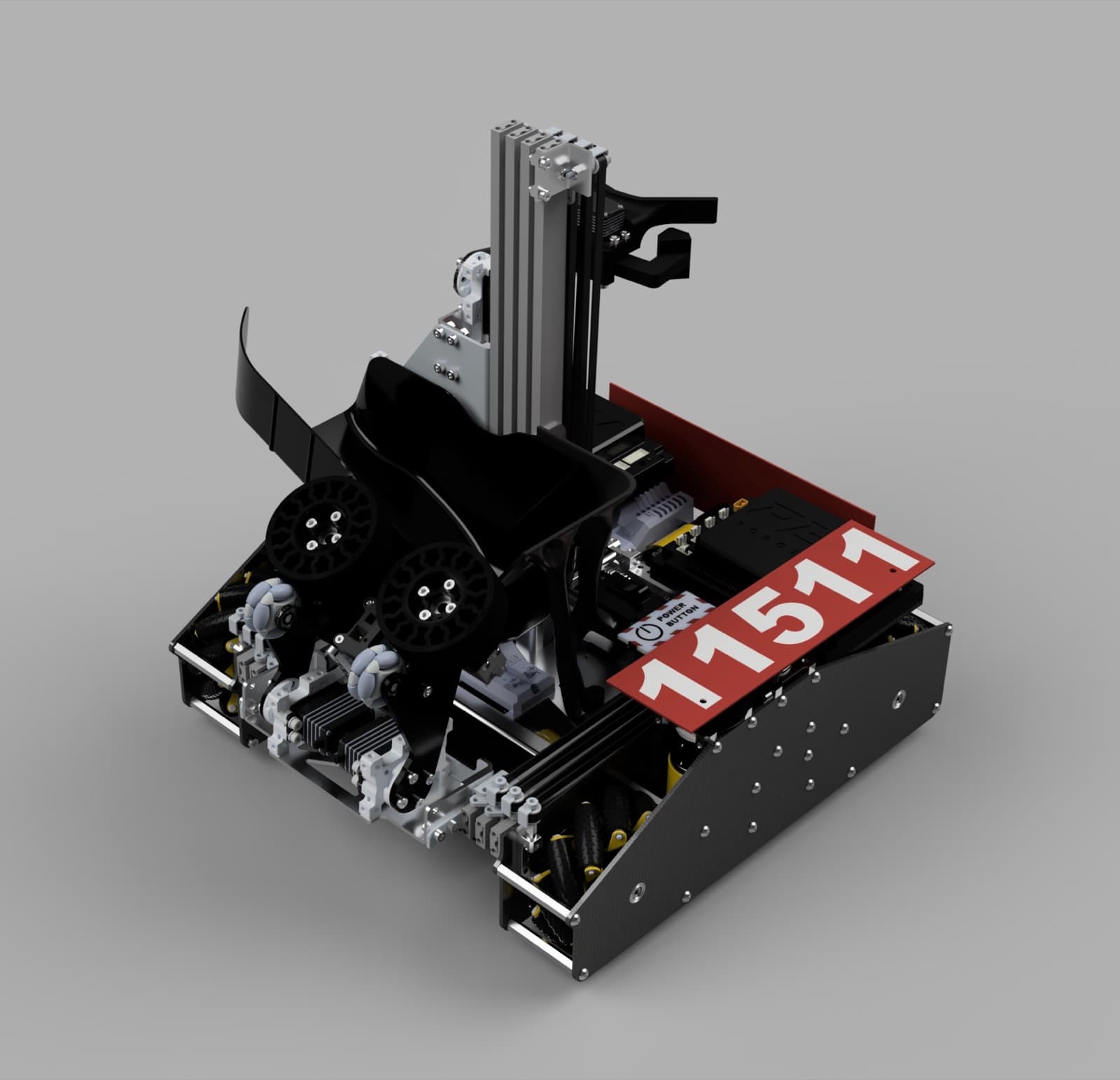
Robot design starts with mechanical planning and CAD discipline.
Loading...
2026-27 season · Auckland
Training is already underway. This is the best time to join because students who start now have time to build the skills, habits, and technical confidence they need before the FTC competition season starts on Monday, September 14, 2026.
National titles
4 in a row
Learning style
Real engineering
Competitive robotics in practice
Robot design starts with mechanical planning and CAD discipline.
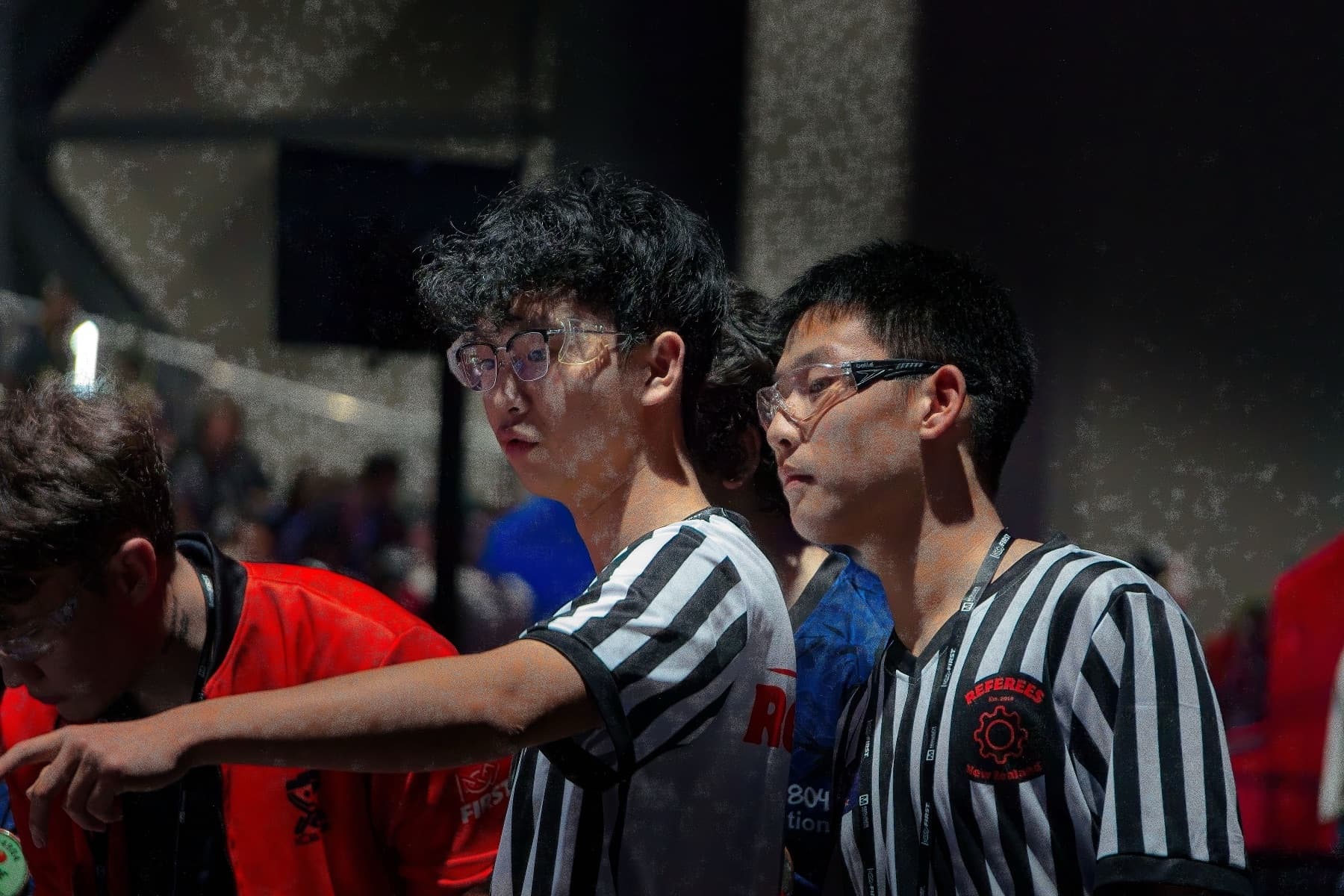
Drive-team roles demand composure, communication, and strong decision-making.
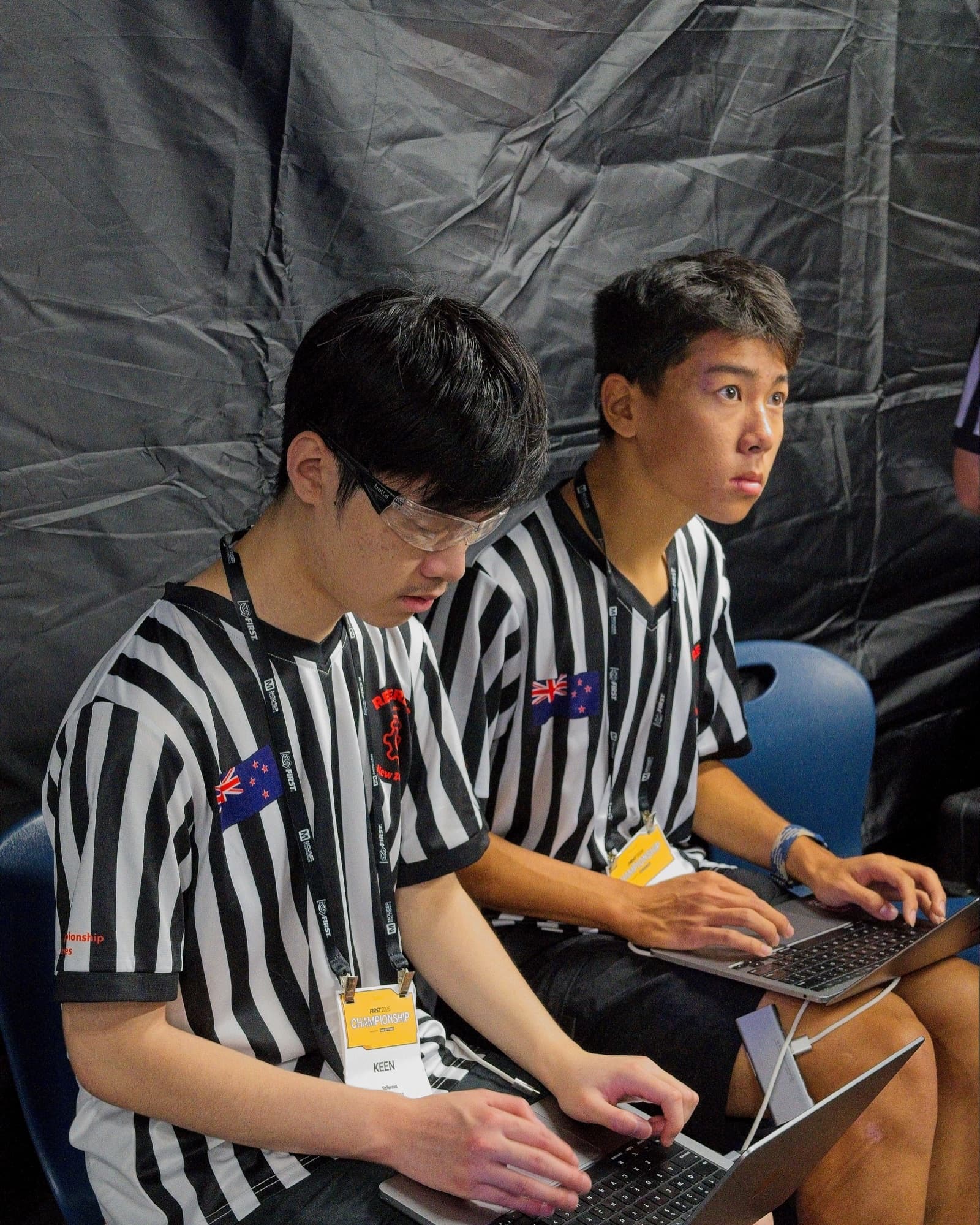
Programming and diagnostics are part of every competitive cycle.
What students do
Students design and build robot systems, write and test code, solve mechanical and electrical problems, and prepare for judged competition environments.
FTC is one of the frameworks where that technical depth, communication, teamwork, and execution under pressure become visible.
Where FTC fits in
FIRST is the wider organisation and FTC is one of its robotics programmes for students. For families new to it, that matters mainly because it gives a real-world competition structure for the engineering work students are doing.
Visit the official FIRST Tech Challenge pageResults
Here are the outcomes, standards, and competition milestones that show the pathway works.
We have won the New Zealand FTC national title four seasons running - sustained proof that the competitive robotics pathway is working.
Students are coached against the standards needed for high-pressure events, international exposure, and judged award environments.
Coaching covers robot build quality, programming, electronics, documentation, and competition strategy rather than only match-day performance.
Joining close to the season start
Mid-year can make families feel like they have missed the window, but this is actually when new students can make the strongest start. Training is already underway, so joining now gives students time to build the required skills before the 2026-27 FTC competition season starts on Monday, September 14, 2026.
FAQ
FTC stands for FIRST Tech Challenge. It is one of the competition frameworks we use to test real robotics, software, teamwork, and judged engineering standards in practice.
Competitive robotics is best for teens who are ready for more serious commitment and technical work, but not every student needs to start there immediately. Some progress into it over time.
Because it creates a broader development environment. Students learn engineering, software, communication, judging preparation, and team execution rather than only match play.
The best next step is to apply now so we can talk about commitment level, readiness, and how your child can start building skills now before the FTC competition season starts on Monday, September 14, 2026.